Tax on savings interest rises to 24% from April 2027: what it means for your savings
The Autumn Budget 2026 raised the tax on savings interest to 24%, 44% and 49% from 6 April 2027. The Personal Savings Allowance stays. Examples and how to protect your interest.
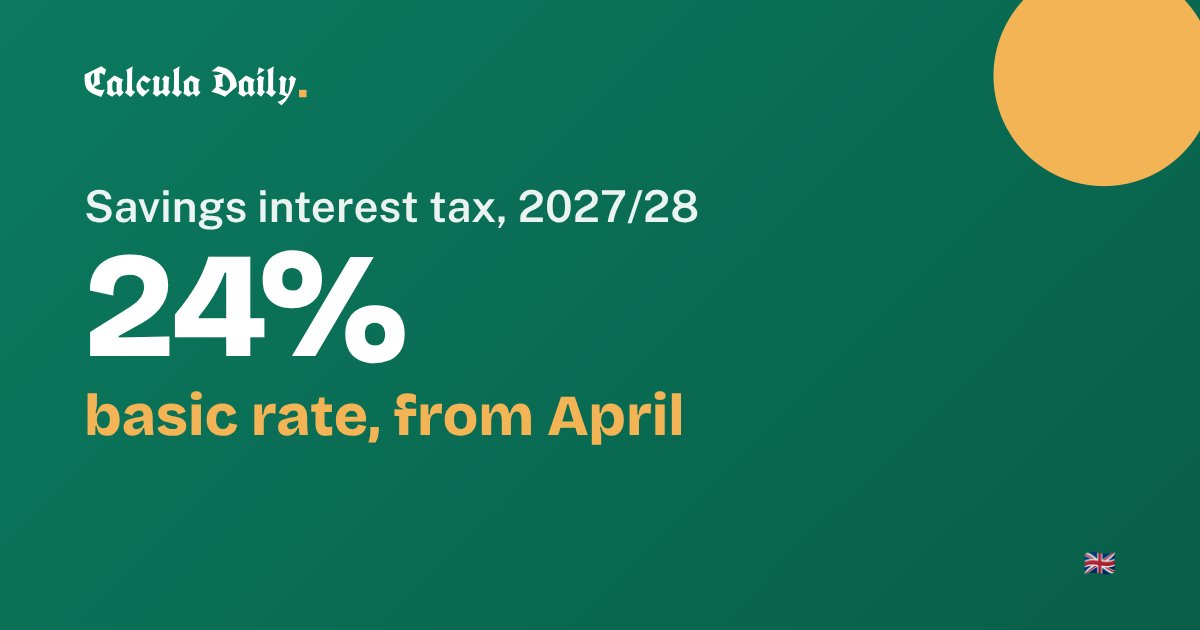
Savers have another reason to check where their money is held. At the Autumn Budget on 28 October 2026, the Chancellor announced a further two percentage point rise in the income tax rates on savings interest. Together with the rise already announced in 2025, the rates go up by four points from 6 April 2027.
The new rates on savings interest
| Your Income Tax band | Rate on savings interest until 5 April 2027 | From 6 April 2027 |
|---|---|---|
| Basic rate | 20% | 24% |
| Higher rate | 40% | 44% |
| Additional rate | 45% | 49% |
The savings rates apply across the whole UK, including Scotland. The same 24%, 44% and 49% rates will also apply to property income such as rent in England, Wales and Northern Ireland. The rates on wages and pensions do not change.
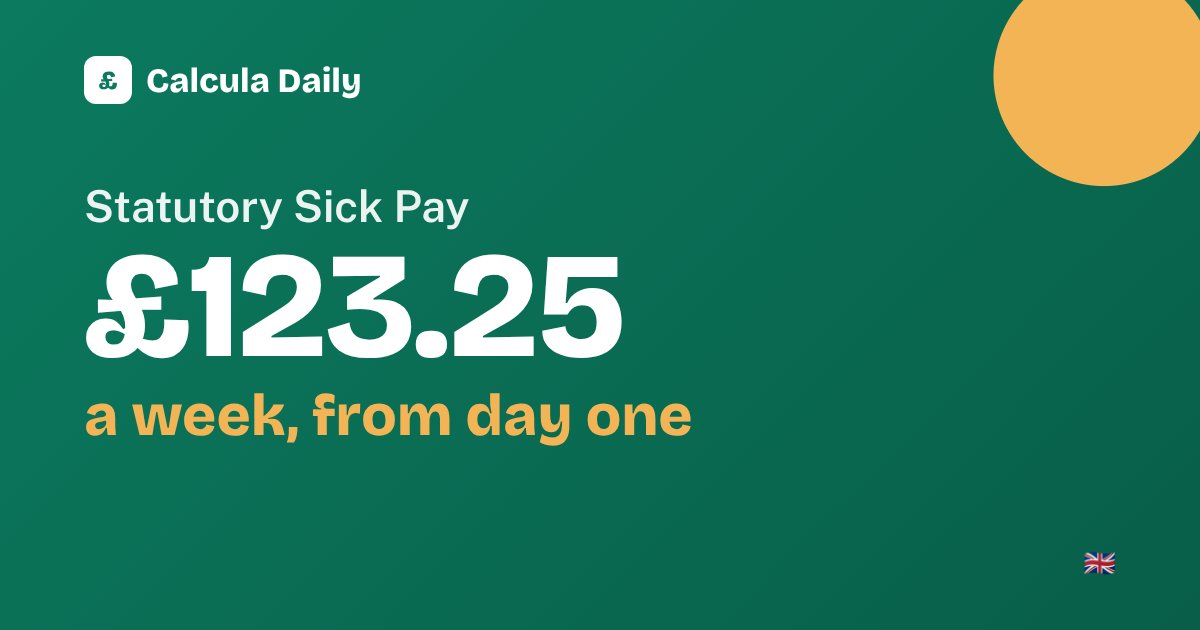 Read alsoOff sick this winter? Statutory Sick Pay now starts on day one
Most savers still pay nothing
The rise only hits interest above your tax-free allowances, and those are not changing:
- Personal Savings Allowance: up to £1,000 of interest a year tax-free for basic-rate taxpayers and £500 for higher-rate taxpayers. Additional-rate taxpayers do not get one.
- Starting rate for savings: up to £5,000 of interest can be tax-free if your other income is low.
- ISAs: interest earned inside an ISA is not taxed and does not use up your allowance.
Examples for 2027/28
Assuming interest of 4% a year, held outside an ISA:
| Savings | Interest a year | Basic-rate taxpayer | Higher-rate taxpayer |
|---|---|---|---|
| £20,000 | £800 | £0 (within £1,000) | £132 (44% of £300) |
| £50,000 | £2,000 | £240 (24% of £1,000) | £660 (44% of £1,500) |
| £100,000 | £4,000 | £720 (24% of £3,000) | £1,540 (44% of £3,500) |
Under the current rates, the higher-rate saver with £50,000 would pay £600 instead of £660. The difference grows with larger balances and higher interest rates.
How to keep more of your interest
- Use your ISA allowance first for cash you want to keep, so the interest is never taxed.
- Couples can spread savings so both use their Personal Savings Allowance.
- Pension contributions can bring a higher-rate taxpayer back into the basic-rate band, which also raises their savings allowance from £500 to £1,000.
- Keep an emergency fund, not idle cash. Three to six months of costs is a common target; work out yours with the emergency fund calculator.
To see how your savings grow over time, use the compound interest calculator, and to plan a monthly amount towards a goal, the savings goal calculator. Income tax thresholds remain frozen, with the Personal Allowance at £12,570; see take-home pay in 2026/27.
The changes still need to be passed in the Finance Bill. HMRC normally collects tax on savings interest through your tax code or Self Assessment.
- GOV.UK, Income Tax: changes to tax rates for property, savings and dividend income (policy paper)
- ICAEW, Budget: tax rates on property and savings income increased (28 Oct 2026)
- GOV.UK, Tax on savings interest
Spotted a mistake or have a question? Write to the newsroom through the contact page. We fix it and log the change at the end of the story.
Stories written with AI assistance, with every figure checked against the site calculator and the official rules cited.