£100,000 after tax in 2026/27: £5,713.12 a month take-home
On a £100,000 salary you pay £27,432.00 Income Tax and £4,010.60 National Insurance in 2026/27, and take home £68,557.40 a year. Full workings, Scotland, pension and nearby salaries.
£100,000 is a milestone salary, and also the point where the UK tax system gets harsh: just above it you start losing your tax-free Personal Allowance. Here is the take-home pay in 2026/27 and how the "60% tax trap" works. The figures are for the 2026/27 tax year (6 April 2026 to 5 April 2027), tax code 1257L, no student loan and no pension deductions.
The answer in one table
| Per year | Per month | Per week | |
|---|---|---|---|
| Gross salary | £100,000.00 | £8,333.33 | £1,923.08 |
| Income Tax | −£27,432.00 | −£2,286.00 | −£527.54 |
| National Insurance | −£4,010.60 | −£334.22 | −£77.13 |
| Take-home pay | £68,557.40 | £5,713.12 | £1,318.41 |
In total, about 31.4% of the salary goes in tax and National Insurance. On a 37.5-hour week, £100,000 is about £51.28 an hour before tax and £35.16 after tax.
 Read alsoOff sick this winter? Statutory Sick Pay now starts on day one
How the numbers are worked out
Income Tax. You still get the full Personal Allowance at exactly £100,000, because the taper only starts above that amount. The first £12,570 is tax-free. The next £37,700 (up to £50,270) is taxed at 20% = £7,540.00. The remaining £49,730.00 above £50,270 is taxed at 40% = £19,892.00. Total: £27,432.00.
National Insurance. 8% on the £37,700 between £12,570 and £50,270 = £3,016.00, plus 2% on the £49,730.00 above it = £994.60. Total: £4,010.60.
Take-home. £100,000 − £27,432.00 − £4,010.60 = £68,557.40, or £5,713.12 a month.
Your employer also pays its own National Insurance on top of your salary, but that does not come out of your pay.
The £100,000 tax trap
Above £100,000 of adjusted net income your Personal Allowance falls by £1 for every £2 you earn, until it disappears completely at £125,140. On income in that range you lose 40% tax on the pound itself plus 40% on the 50p of allowance taken away, so the effective Income Tax rate is 60%, or 62% with National Insurance.
| Salary | Personal Allowance | Income Tax | Take-home per year |
|---|---|---|---|
| £100,000 | £12,570.00 | £27,432.00 | £68,557.40 |
| £110,000 | £7,570.00 | £33,432.00 | £72,357.40 |
| £125,140 | £0.00 | £42,516.00 | £78,110.60 |
Going from £100,000 to £110,000 adds £3,800.00 to take-home pay, only 38.0% of the £10,000 rise. This is why many people on salaries just above £100,000 pay extra into a pension: on £110,000, putting £10,000 into a pension under a net pay arrangement brings adjusted income back to £100,000, restores the full Personal Allowance and cuts take-home by only £4,000.00. Losing the allowance can also affect other things linked to £100,000, such as Tax-Free Childcare and the extra funded childcare hours in England.
If you live in Scotland
Scottish taxpayers use their own Income Tax bands; National Insurance is the same everywhere in the UK. On £100,000 the taxable amount is £87,430.00, taxed like this:
| Band | Amount taxed | Tax |
|---|---|---|
| Starter rate (19%) | £3,967.00 | £753.73 |
| Basic rate (20%) | £12,989.00 | £2,597.80 |
| Intermediate rate (21%) | £14,136.00 | £2,968.56 |
| Higher rate (42%) | £31,338.00 | £13,161.96 |
| Advanced rate (45%) | £25,000.00 | £11,250.00 |
| Scottish Income Tax | £30,732.05 |
Take-home in Scotland is £65,257.35 a year (£5,438.11 a month), about £3,300 a year less than in the rest of the UK.
With a 5% workplace pension
Most employees are auto-enrolled in a pension. If 5% of your salary (£5,000.00) is taken before tax under a "net pay" arrangement, Income Tax falls to £25,432.00. National Insurance stays at £4,010.60. Take-home becomes £65,557.40 a year (£5,463.12 a month): your pay goes down by £3,000.00, not £5,000.00, because the tax relief covers the rest.
With salary sacrifice your salary itself is reduced to £95,000.00, so you save National Insurance too: Income Tax £25,432.00, National Insurance £3,910.60, take-home £65,657.40 a year (£5,471.45 a month).
Nearby salaries
| Salary | Income Tax | National Insurance | Take-home per year | Per month |
|---|---|---|---|---|
| £96,000 | £25,832.00 | £3,930.60 | £66,237.40 | £5,519.78 |
| £98,000 | £26,632.00 | £3,970.60 | £67,397.40 | £5,616.45 |
| £100,000 | £27,432.00 | £4,010.60 | £68,557.40 | £5,713.12 |
| £102,000 | £28,632.00 | £4,050.60 | £69,317.40 | £5,776.45 |
| £104,000 | £29,832.00 | £4,090.60 | £70,077.40 | £5,839.78 |
Just above £100,000 each extra £1,000 adds only £380.00 to your take-home pay, because of the Personal Allowance taper explained above.
Why your payslip might be different
- Student loan: repayments are taken on top if your income is above your plan's threshold (9% of the amount above it; 6% for a postgraduate loan).
- Tax code: a code other than 1257L (for example because of a company car, medical insurance or a previous job) changes your Income Tax. Check it in your HMRC online account.
- Pay frequency: weekly or four-weekly pay spreads the same annual figures differently, and a one-off bonus can push a single month into a higher band.
Try your own salary, pension percentage and Scottish rates in the take-home pay calculator. Thresholds remain frozen, see what frozen thresholds mean for your salary.
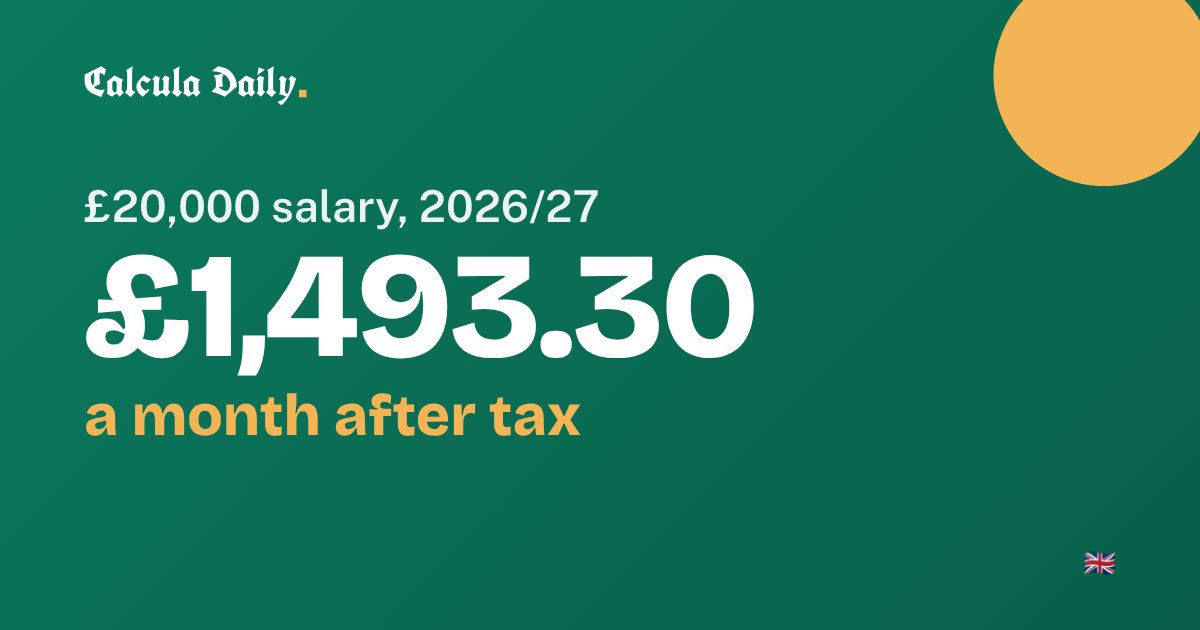
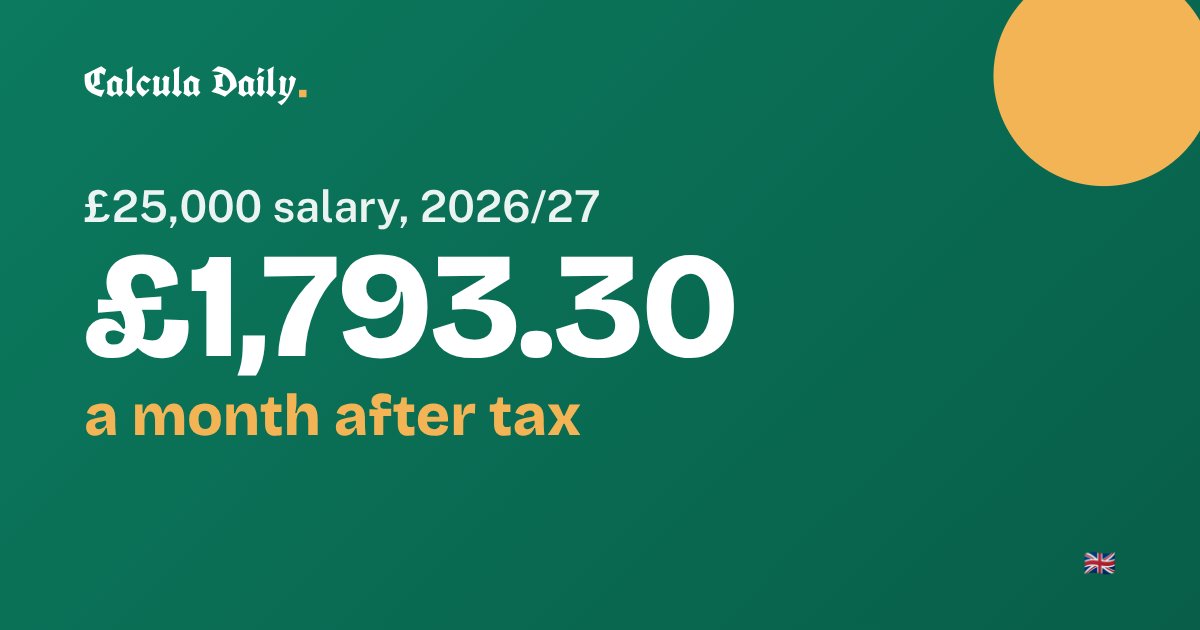
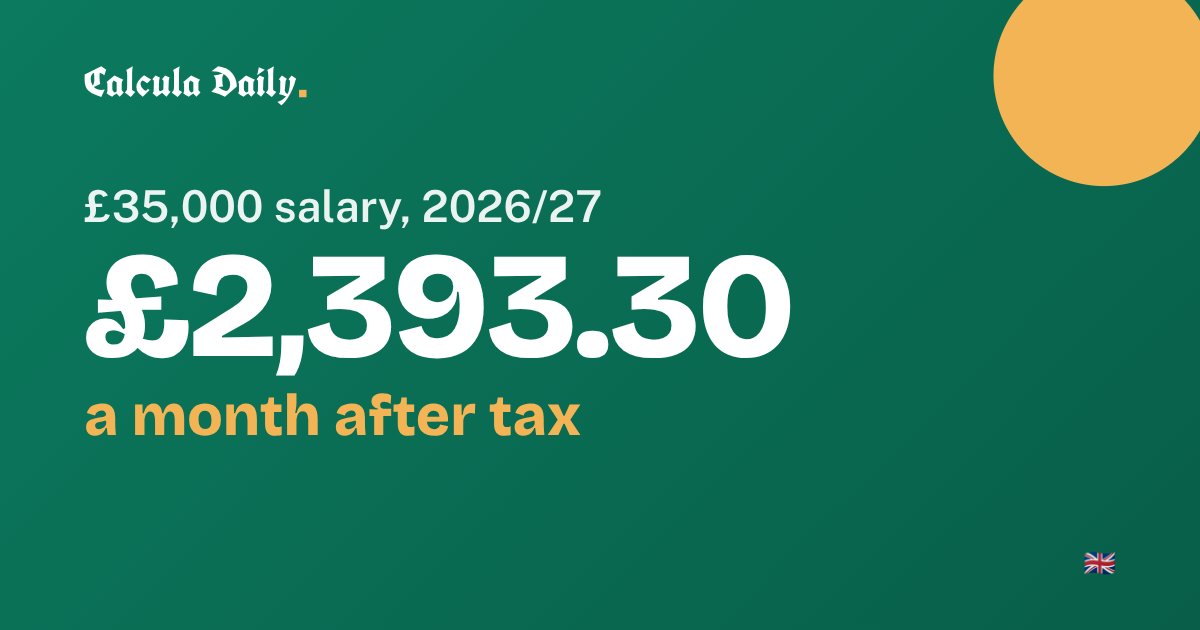
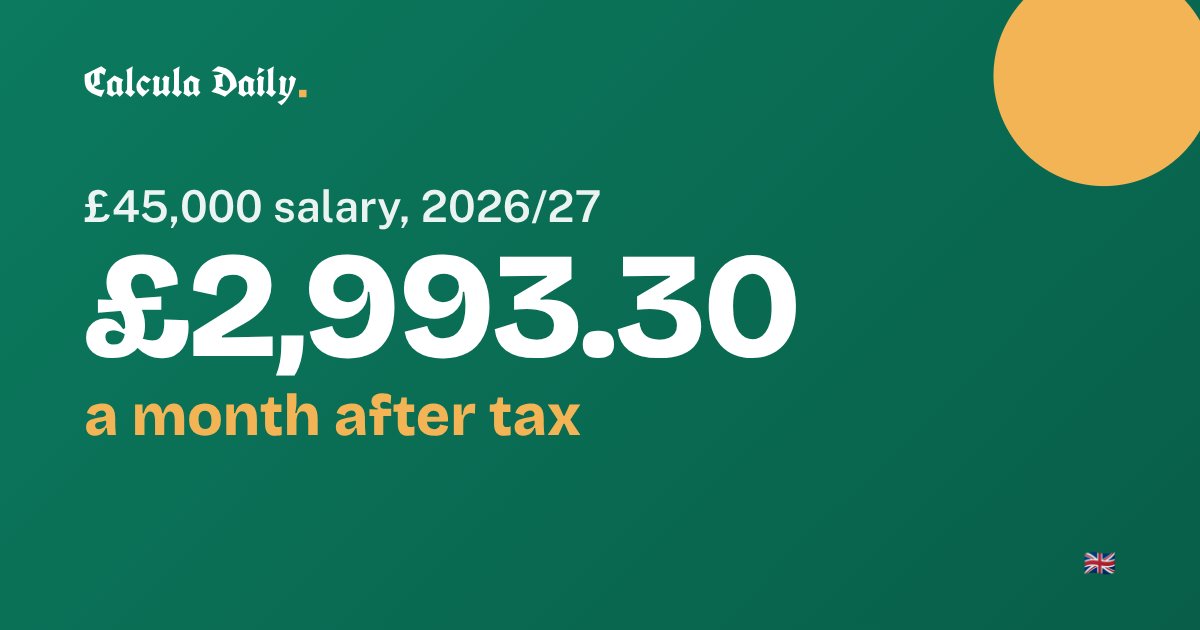
Other salaries after tax in 2026/27: £20,000 · £25,000 · £30,000 · £35,000 · £40,000 · £45,000 · £50,000 · £60,000 · £70,000.
- GOV.UK, Income Tax rates and allowances for current and previous tax years
- HMRC, Rates and thresholds for employers 2026 to 2027
- Scottish Government, Scottish Income Tax rates and bands 2026 to 2027
- GOV.UK, Income Tax rates and Personal Allowances
Spotted a mistake or have a question? Write to the newsroom through the contact page. We fix it and log the change at the end of the story.
Stories written with AI assistance, with every figure checked against the site calculator and the official rules cited.