
₹12.75 lakh salary, zero tax: how the new regime works in FY 2026-27
Budget 2026-27 kept the new regime slabs. Taxable income up to ₹12 lakh pays no tax, ₹12.75 lakh for salaried people. What happens just above it, and when the old regime still wins.
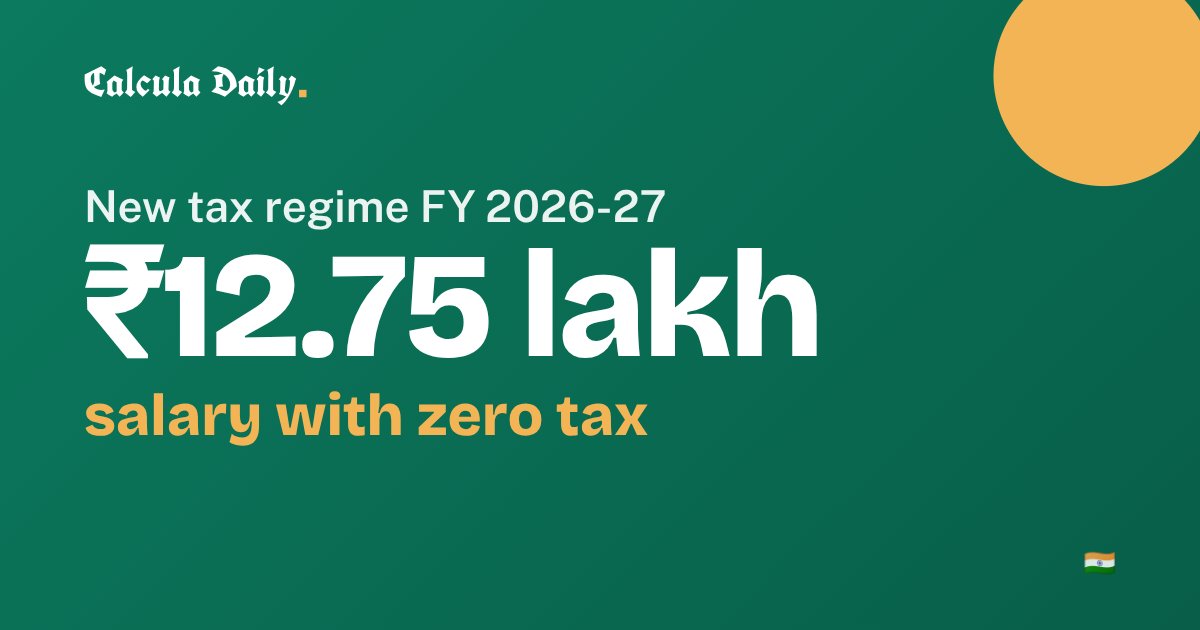
The biggest tax cut for India’s middle class in years is still in place. Budget 2026-27 did not touch the new tax regime slabs, so for the tax year 2026-27 (April 2026 to March 2027) a salaried person earning up to ₹12.75 lakh a year pays no income tax at all. The new regime is the default: if you do not choose the old one, your employer deducts TDS under the new slabs.
The slabs for FY 2026-27
- Up to ₹4,00,000: nil
- ₹4 lakh to ₹8 lakh: 5%
- ₹8 lakh to ₹12 lakh: 10%
- ₹12 lakh to ₹16 lakh: 15%
- ₹16 lakh to ₹20 lakh: 20%
- ₹20 lakh to ₹24 lakh: 25%
- Above ₹24 lakh: 30%
On top of the tax you pay a 4% health and education cess, and a surcharge if your income is above ₹50 lakh.
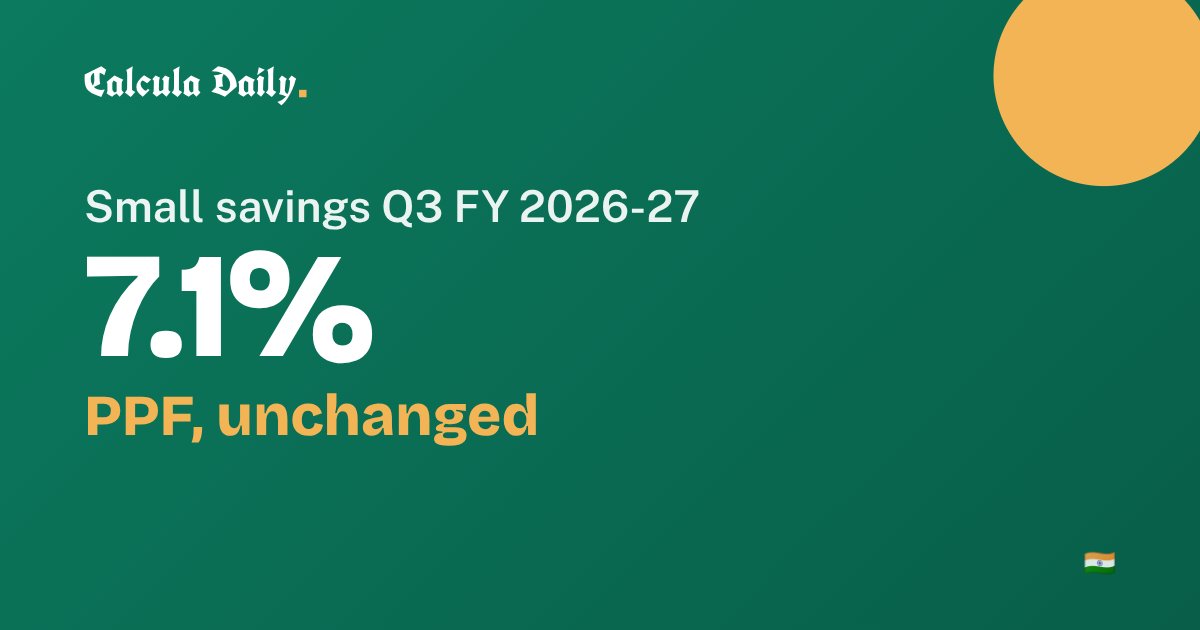 Read alsoPPF rate stays at 7.1% for Oct-Dec 2026: what your PPF will be worth
Why ₹12.75 lakh is tax-free
On ₹12 lakh of taxable income, the slabs give ₹60,000 of tax (₹20,000 on the 5% slab and ₹40,000 on the 10% slab). The rebate for resident individuals is worth up to exactly ₹60,000, so the tax becomes zero. Salaried people and pensioners first subtract the ₹75,000 standard deduction, which takes the zero-tax salary to ₹12.75 lakh. Under the new Income-tax Act, 2025, in force since 1 April 2026, the rebate has a new section number, but it works the same way.
Just above the limit: marginal relief
Without protection, earning ₹1 more than ₹12 lakh would cost you ₹60,000 of tax. Marginal relief stops that: your tax cannot be more than the income above ₹12 lakh. On a ₹13 lakh salary (₹12.25 lakh taxable), the slabs give ₹63,750, but the tax is capped at ₹25,000, plus cess: ₹26,000 in total. The relief fades out at about ₹12.70 lakh of taxable income.
Examples (salaried, new regime, with cess)
- ₹10 lakh salary: ₹0
- ₹12.75 lakh: ₹0
- ₹15 lakh: ₹97,500
- ₹25 lakh: ₹3,19,800
When the old regime still wins
The old regime keeps deductions such as 80C (up to ₹1.5 lakh for PPF, ELSS, EPF and life insurance), 80D health insurance, the HRA exemption and up to ₹2 lakh of home loan interest. Its slabs are much steeper (30% above ₹10 lakh), so it only pays off if your deductions are large. Put both options into the calculator below: it shows your tax under the regime you choose and how much the other one would cost.
- Business Today, Income Tax dept answers on Budget 2025 tax relief (rebate and marginal relief)
- Zoho Payroll, Income tax on salary in India: tax year 2026-27 under the Income-tax Act, 2025
- Union Budget, Finance Bill
Spotted a mistake or have a question? Write to the newsroom through the contact page. We fix it and log the change at the end of the story.
Stories written with AI assistance, with every figure checked against the site calculator and the official rules cited.