Redundancy pay 2026/27: how much you are owed, and the new £751 cap
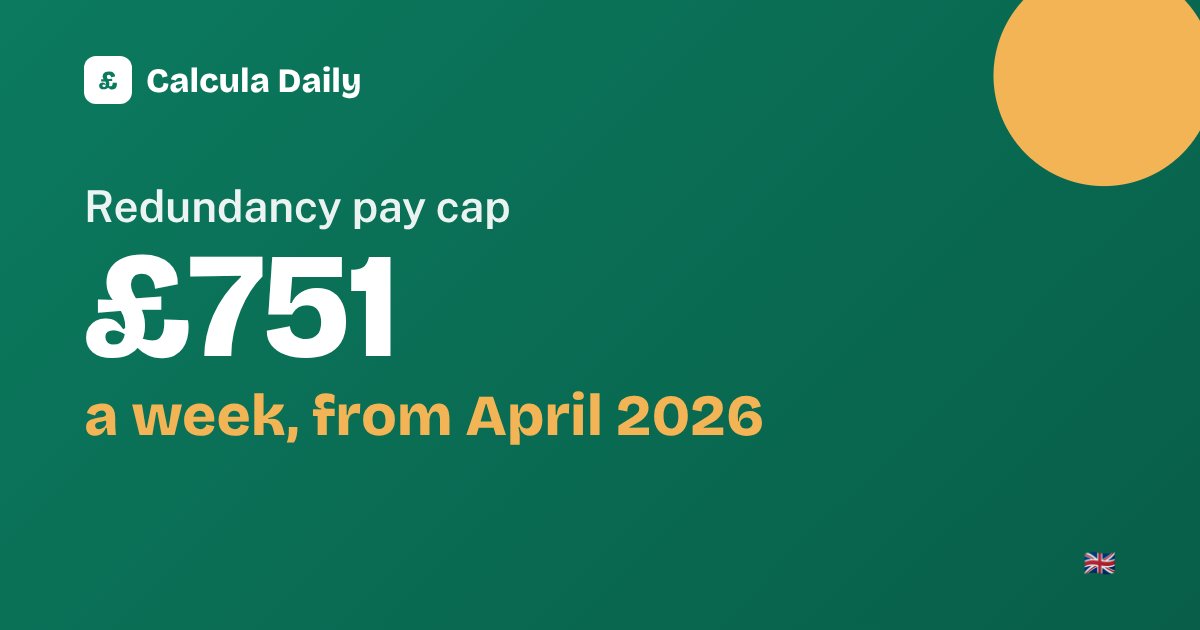
Statutory redundancy pay depends on your age, your years of service and your weekly pay, capped at £751 since 6 April 2026. The maximum is now £22,530. Worked examples.
If you lose your job because your role is no longer needed, the law sets a minimum payment: statutory redundancy pay. The limits rose on 6 April 2026, so anyone made redundant this tax year can receive a little more than before.
Who qualifies
- Employees with at least 2 years of continuous service with the same employer.
- The reason for dismissal must be genuine redundancy, for example the business closing, a workplace closing or fewer people needed for the work.
- Workers who are not employees, such as some agency and self-employed workers, are not covered.
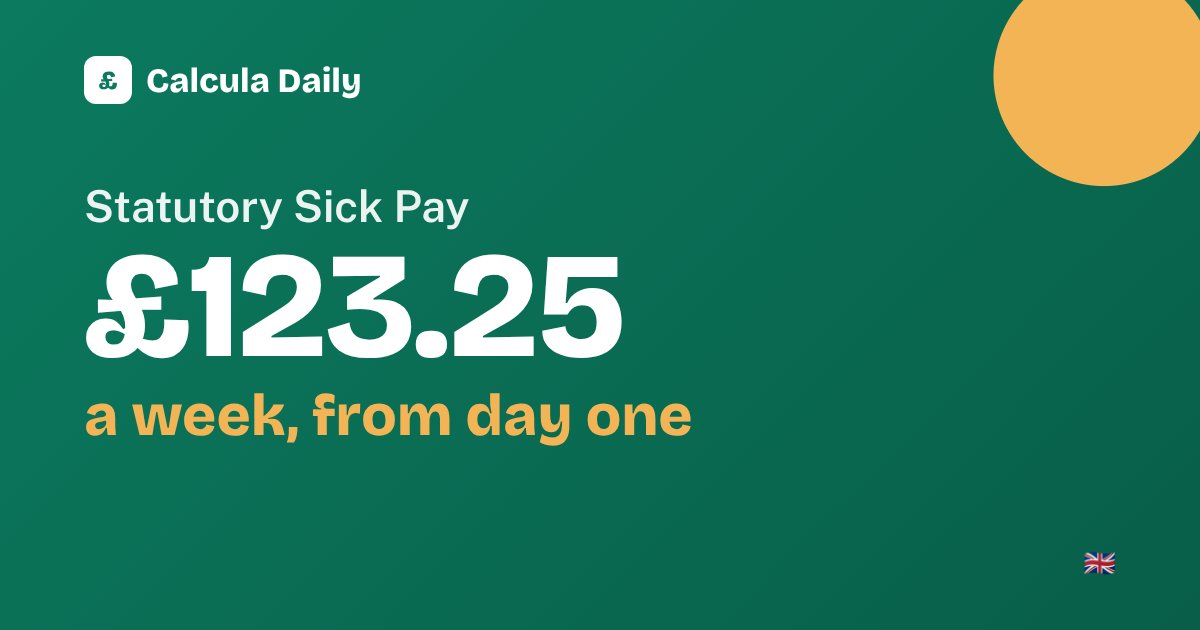 Read alsoOff sick this winter? Statutory Sick Pay now starts on day one
The formula
Statutory redundancy pay counts your full years of service, going back from the date of redundancy, up to a maximum of 20 years. Each year is worth:
- half a week’s pay for each full year you were under 22;
- one week’s pay for each full year you were 22 or older but under 41;
- one and a half weeks’ pay for each full year you were 41 or older.
A week’s pay is your gross weekly pay, but it is capped. Under the Employment Rights (Increase of Limits) Order 2026, the cap went from £719 to £751 for redundancies on or after 6 April 2026. The highest possible statutory payment is therefore 30 weeks × £751 = £22,530. In Northern Ireland the cap is £783.
Worked examples
| Situation | Weeks | Weekly pay used | Redundancy pay |
|---|---|---|---|
| Age 30, 5 years, £500 a week | 5 | £500 | £2,500 |
| Age 45, 10 years, £700 a week | 12 | £700 | £8,400 |
| Age 56, 25 years, £1,000 a week | 27.5 | £751 (cap) | £20,652.50 |
In the second example, the four years from age 41 to 44 are worth 1.5 weeks each (6 weeks) and the six years from 35 to 40 are worth 1 week each (6 weeks). In the third, only the last 20 years count and the weekly pay is capped. You can try your own numbers in the redundancy pay calculator.
Tax on redundancy pay
Statutory redundancy pay is not subject to National Insurance, and the first £30,000 of a termination payment is free of Income Tax. Pay in lieu of notice, holiday pay and any wages owed are taxed as normal pay, even if they are paid together with the redundancy money.
Check what else you are owed
- Notice: at least 1 week’s notice after a month of work, then 1 week per full year of service, up to 12 weeks.
- Holiday: unused statutory holiday must be paid out when you leave. Use the holiday entitlement calculator to see how much you have built up.
- Your contract: many employers pay enhanced redundancy above the statutory minimum.
If your employer will not pay, you can ask for a written statement of how the payment was worked out. Acas offers free early conciliation before a claim to an employment tribunal.
- The Employment Rights (Increase of Limits) Order 2026 (SI 2026/310)
- GOV.UK, Redundancy: your rights
- Employment Rights Act 1996, section 162
Spotted a mistake or have a question? Write to the newsroom through the contact page. We fix it and log the change at the end of the story.
Stories written with AI assistance, with every figure checked against the site calculator and the official rules cited.