Inflation: how to calculate how much buying power you lose
How inflation compounds, how to work out future prices and lost buying power, cumulative inflation and the real return on your savings.
Inflation is the general rise in prices: the same money buys less. It compounds, because each year's increase applies to prices that already went up.
What things will cost
Future price = price today × (1 + inflation)years
Example: at 4% a year for 10 years, a £1,000 item will cost 1,000 × 1.0410 = £1,480.24. Cumulative inflation is 48%, not 40%.
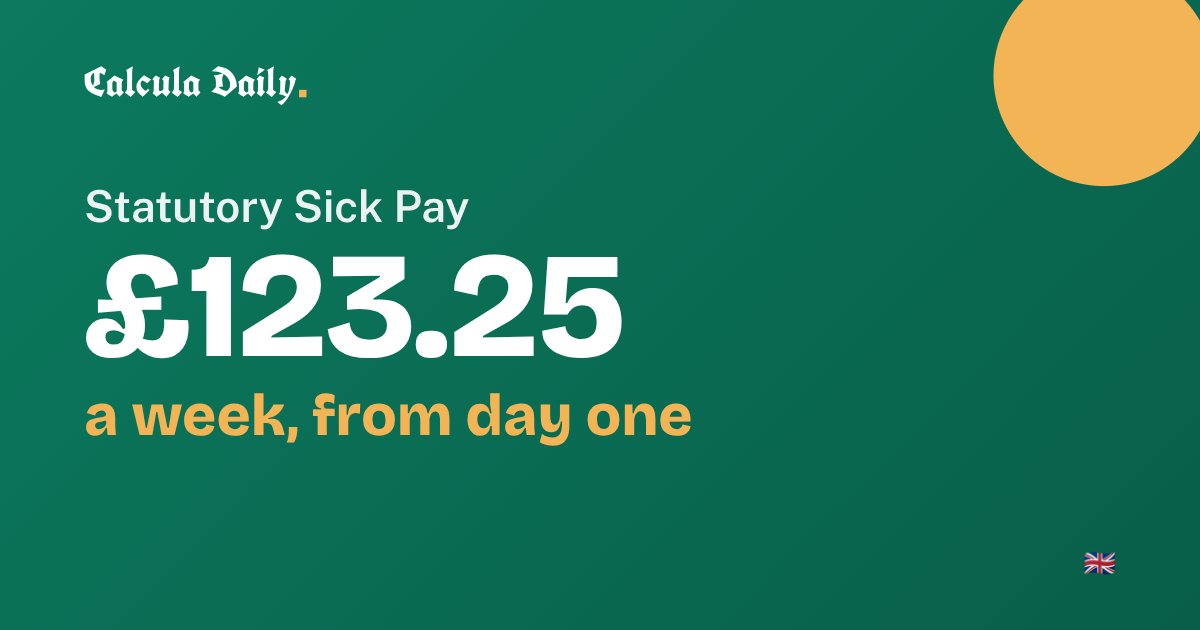 Read alsoOff sick this winter? Statutory Sick Pay now starts on day one
What cash is worth over time
Buying power = amount ÷ (1 + inflation)years
£1,000 kept as cash for 10 years at 4% inflation buys what £675.56 buys today.
Real return
To check whether savings beat inflation: (1 + return) ÷ (1 + inflation) − 1. A 10% return with 4% inflation is a 5.77% real return, not 6%.
Where the official figure comes from
In UK, the headline measure is the Consumer Prices Index (CPI), published monthly by the Office for National Statistics (ONS). The Bank of England's inflation target is 2%.
Run the maths in the inflation calculator.
- ONS: Consumer price inflation
- Bank of England: Monetary policy
- Financial maths: cumulative inflation and real return (Fisher equation)
Spotted a mistake or have a question? Write to the newsroom through the contact page. We fix it and log the change at the end of the story.
Stories written with AI assistance, with every figure checked against the site calculator and the official rules cited.