
Payday Super: your super now arrives every payday, and how to check it
Since 1 July 2026 employers must pay the 12% super guarantee with every pay run, and it must reach your fund within 7 business days. How to check your super is being paid.
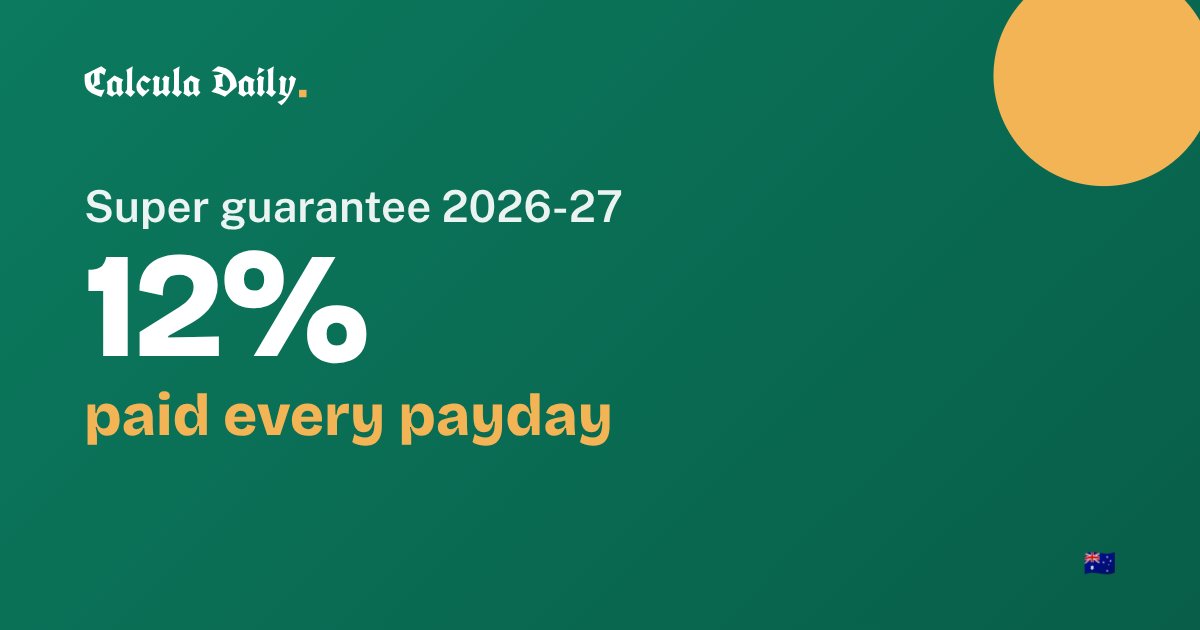
One of the biggest changes to Australian super in years started on 1 July 2026. Under Payday Super, employers can no longer pay the super guarantee once a quarter: they must pay it every time they pay your wages. For workers, it means super lands in your account sooner, and unpaid super is easier to spot.
What changed
- Before: employers could pay super up to 28 days after the end of each quarter, so you might wait months to see it.
- Now: super is due for each payday and must be received by your fund within 7 business days after you are paid.
- New job: for the first contribution to a new employee’s fund, the employer has 20 business days.
The amount does not change: the super guarantee is still 12% of your qualifying earnings, the rate that has applied since 1 July 2025.
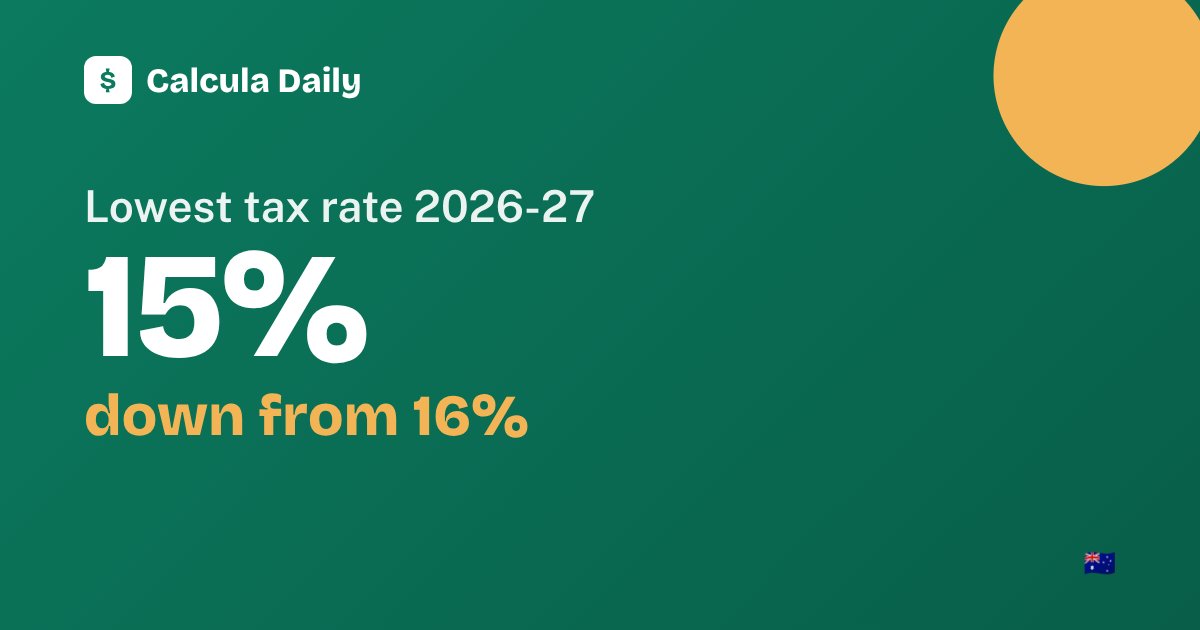 Read alsoTax cut from 1 July 2026: the 16% rate is now 15%, and it falls to 14% next year
How much super should you see each payday?
| Pay cycle | Gross pay each payday | Super (12%) |
|---|---|---|
| Weekly | $1,500 | $180 |
| Fortnightly | $3,000 | $360 |
| Monthly | $6,500 | $780 |
Super is calculated on qualifying earnings, which generally include your ordinary pay but not most overtime. To see what lands in your bank account after tax, use the pay calculator.
How to check your employer is paying
- Look at your payslip: it should show the super amount for that pay period and the fund it is paid to.
- Log in to your super fund’s app or website and check the contribution arrives within about a week and a half of payday.
- Your myGov account linked to the ATO also shows contributions reported by your fund.
- If payments are missing or late, raise it with your employer first. If it is not fixed, you can report unpaid super to the ATO.
What employers face if they pay late
Employers who miss the deadline can be charged the super guarantee charge, which includes the shortfall, interest of 10% a year and an administration fee, and is not tax deductible. The ATO has said that in the first year it will focus on employers who are not trying to pay on time.
Why it matters for your savings
Getting super every payday instead of every quarter means your money is invested earlier, which adds up over a working life. If you want to see the effect of time on investing, try the compound interest calculator. Also from 1 July 2026, the lowest income tax rate fell to 15%; see what the tax cut means for your pay.
- Australian Taxation Office, Paying super for your employees (Payday Super)
- Fair Work Ombudsman, Payday Super: new rules starting 1 July 2026
- Australian Taxation Office, How Payday Super works
Spotted a mistake or have a question? Write to the newsroom through the contact page. We fix it and log the change at the end of the story.
Stories written with AI assistance, with every figure checked against the site calculator and the official rules cited.